
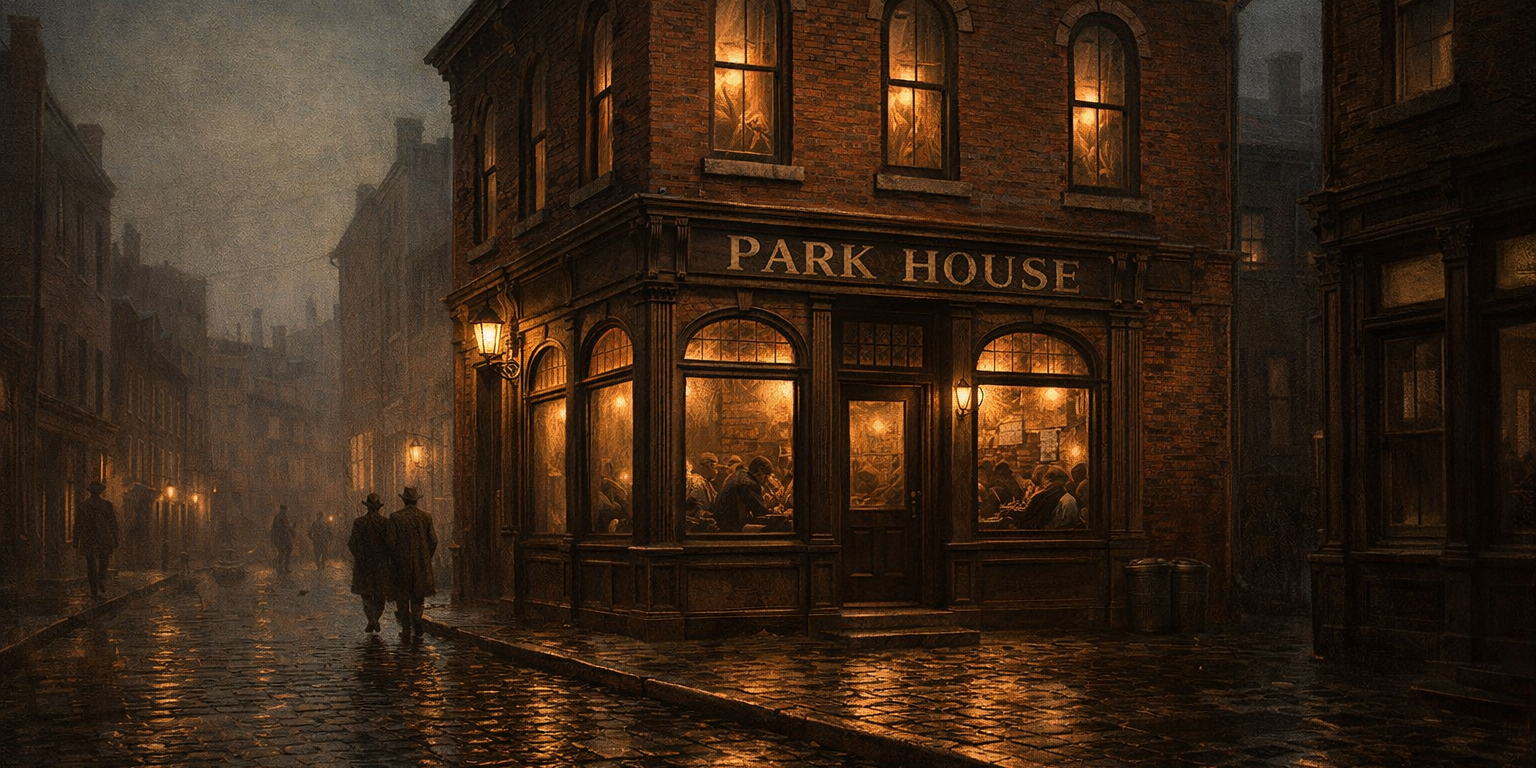
At 403 East Ohio Street on Pittsburgh’s North Side, there is a two-story brick building that has been part of the neighborhood since the 1890s. It started as a soda fountain. It became one of the first licensed bars in Pittsburgh after Prohibition ended. It survived a pandemic closure and came back under new ownership.
It’s called Park House Tavern, and it’s been quietly outlasting everything around it for over a century.
How the Building Started
The structure that houses Park House today was built somewhere between 1892 and 1898 by James Marshall, who at the time was serving as deputy warden of the Allegheny County Jail. Marshall lived upstairs and rented the ground floor to tenants, and in those early years the space operated as a Victorian-era soda fountain and candy shop — soft drinks, sweets, and a neighborhood clientele from the bustling Allegheny City community that surrounded it. Allegheny City was a city in its own right before it was absorbed into Pittsburgh, with its own distinct identity — the rise and fall of Allegheny City is a whole story worth reading separately.
That’s the origin of a place people now associate with beer and live music. A candy shop run out of a jail official’s ground floor on the North Side.
Pittsburgh history rarely goes in a straight line.
What Prohibition Did to It — And What Repeal Did After
When Prohibition arrived in 1920, the building kept doing what it could legally do. Non-alcoholic drinks. The soda fountain tradition continuing in a country that had decided alcohol was the problem.
When Prohibition was repealed in 1933, two business partners moved fast. They secured one of Pittsburgh’s first beer licenses and converted the soda fountain into a bar. That timing matters. Being among the first establishments with a legal license in the post-Prohibition landscape wasn’t just a business advantage — it became part of the place’s identity. Among Pittsburgh bar regulars and North Side locals, that history gave Park House a kind of founding mythology it still carries today.
Pittsburgh’s role in Prohibition shaped the whole city during those years, and notorious Pittsburgh gangsters and the Prohibition era gives you a sense of exactly what kind of crowd a North Side bar was navigating before repeal.
The Traditions That Stuck
At some point in the mid-twentieth century, Park House became known for something specific: free popcorn and peanuts on the bar.
It sounds small. It isn’t. Free snacks are a statement of intent. They say this is a place where you’re supposed to stay a while, where the bar isn’t trying to extract maximum spend per visit, where the culture is neighborhood tavern rather than curated concept.
That tradition is still going.
The bar also developed a reputation for live music — Irish and bluegrass sessions, local musicians turning up for impromptu jams, the kind of programming that happens organically in a room with the right energy rather than being engineered from a marketing calendar.
The Building Itself
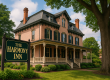
Park House occupies a modest two-story brick building that looks exactly like what it is: a late-nineteenth-century urban structure that has been used continuously and maintained carefully.
The original Victorian details survive — arched windows, wooden moldings, a tin ceiling that has outlasted multiple rounds of renovation. The current iteration adds a long wooden bar, exposed brick, and a chalkboard tap list without losing the cozy, worn-in feeling that comes from a room that has actually been lived in for a hundred-plus years.
A recent renovation kept the tin ceiling and original woodwork while adding a small stage for performers and updated restrooms. The painted signage on the East Ohio Street facade still simply says “Park House,” which feels right for a place that doesn’t need to oversell itself.
The Pandemic Chapter
In December 2020, Park House closed.
That’s not an unusual sentence for a bar that has been operating since the 1930s. Things close. The question is always what happens next.
What happened here is that the community wanted it back. New ownership took over and Park House reopened in March 2022, which given everything that was happening to independent bars during that stretch is not a small thing.
What It Is Now
Today Park House runs twenty rotating craft beers alongside the free popcorn and peanuts, a menu of sandwiches and appetizers, and a weekly events calendar that includes trivia nights, open-mic comedy, live music, and board-game Sundays.
It sits in the middle of East Ohio Street’s ongoing revival as a destination strip on the North Side, which means it has new neighbors and new foot traffic while still being the oldest thing on the block by a considerable margin.
The current owners have been explicit about preserving the historic elements — the architecture, the free snack tradition, the live music culture — while promoting local brewers and musicians. It’s the same balancing act every historic bar has to manage: stay recognizable to the people who love it while staying relevant to the people discovering it for the first time.
Park House has been doing that balance for over a century. The odds are decent it figures out the next one too.
Visitor Information
Address: 403 East Ohio Street, Pittsburgh, PA 15212
Hours: Typically open daily from late afternoon until midnight or later — check their social media for current hours and events as these change seasonally
Events: Trivia nights, open-mic comedy, live music, board-game Sundays, craft beer tap takeovers
Park House Tavern has operated at 403 East Ohio Street on Pittsburgh’s North Side since Prohibition’s repeal in 1933. The building itself dates to between 1892 and 1898.